The Full Story
Teaching Philosophy
Students do not need more information; they need to learn how to think—and to believe their thinking matters.
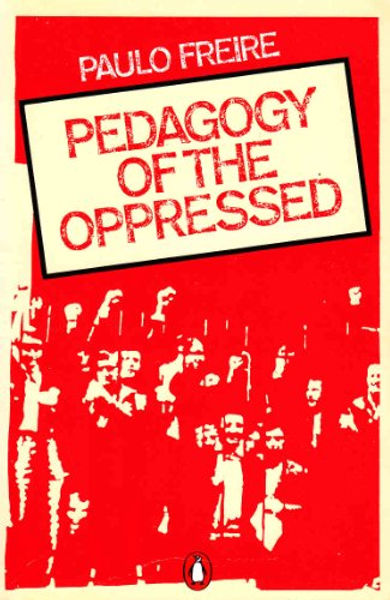
This belief shapes everything I do in the classroom. Drawing from Paulo Freire’s critique of the “banking model” of education, I reject the idea that teaching is about depositing knowledge into passive students. Instead, I view learning as a collaborative process in which students actively construct meaning. My role is not to provide answers, but to create the conditions where students can question, interpret, and develop confidence in their own thinking.
Identity Before Agency
I have come to understand that student agency does not begin with choice; it begins with identity.
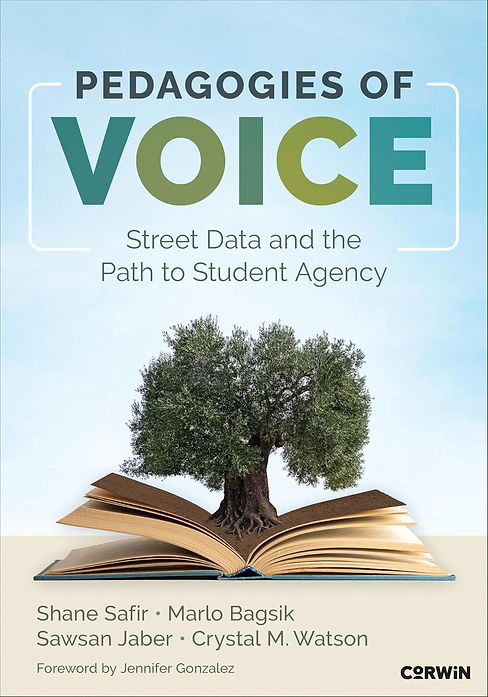
Through my study of Gloria Ladson-Billings and Safir and Jaber’s Pedagogies of Voice, I’ve learned that students must first feel seen and valued before they can meaningfully participate in learning. Earlier in my teaching, I often focused on getting students to engage with content without fully considering whether they felt connected to it. This sometimes resulted in surface-level participation rather than genuine investment.
Moving forward, I am working to design lessons that:
-
acknowledge students’ lived experiences
-
allow for multiple ways of engaging with content
-
position student perspectives as meaningful, not secondary
This shift reflects my growing understanding that engagement cannot be demanded; it must be built through relevance and recognition.
Rethinking Belonging
One area of growth in my teaching has been understanding what belonging actually looks like in practice.
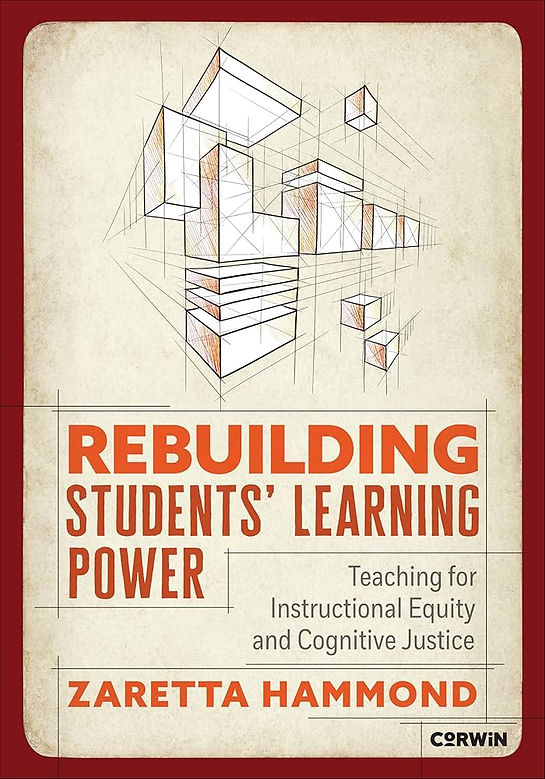
Through Pedagogies of Voice and Zaretta Hammond’s work, I’ve come to see that belonging is not just about classroom management or positive relationships; it is about whether students feel intellectually and culturally valued.
In my early lessons, I often focused on structure and control to keep students on task. While this created order, it did not always create space for students to feel ownership of their learning. I am now working to incorporate more microaffirmations - small, intentional moves that communicate that students and their ideas matter.
This includes:
-
responding to student thinking with curiosity
-
allowing space for incomplete or developing ideas
-
recognizing effort and growth, not just correctness
Inquiry as a Goal, Not a Starting Point
I used to think inquiry meant asking students more questions.
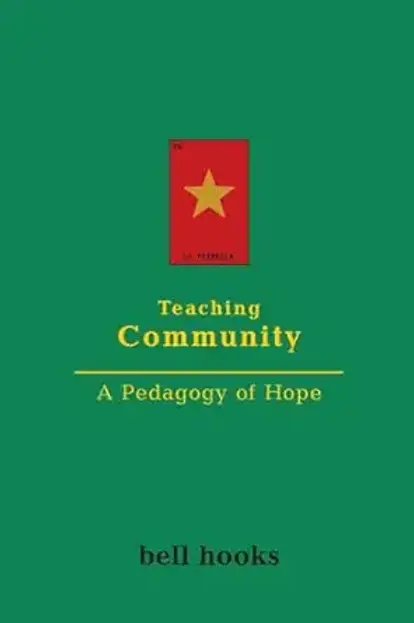
Through Freire and bell hooks, I’ve come to understand that inquiry is not just about questioning—it is about shifting who is doing the thinking. In many of my early lessons, I was still directing the thinking process, even when I believed I was being student-centered.
This has been an area of ongoing growth.
I am working toward designing lessons where:
-
students generate their own questions
-
discussion is driven by student ideas rather than teacher prompts
-
uncertainty and disagreement are part of the learning process
Rather than assuming I have already created inquiry-based spaces, I now approach inquiry as something I am actively developing in my practice.
Voice and Story in the Classroom
A key idea from Safir and Jaber's Pedagogies of Voice that has shaped my thinking is that voice is not an add-on to instruction; it is central to it.
While I have incorporated discussion and writing into my classroom, I am continuing to reflect on whether those opportunities truly center student voice, or if they are still structured around my expectations.
Moving forward, I aim to:
-
create more open-ended opportunities for students to express their thinking
-
treat student perspectives as contributions to knowledge, not just responses to prompts
-
build connections between academic content and students’ lived experiences
This aligns with both Freire’s emphasis on lived experience and hooks’ belief that education should be a space where students can bring their full selves.
Developing Toward Agency
My goal is to support students in developing agency, but I recognize that this is a process—for both students and myself as an educator.
The Pedagogies of Voice framework outlines agency as something that develops through identity, belonging, inquiry, and efficacy. Reflecting on my teaching, I see that I have sometimes attempted to move students toward independence before fully establishing those earlier layers.
This has led me to reconsider my approach.
Instead of asking, “Are students participating?” I now ask:
-
Do students feel seen?
-
Do they believe their thinking matters?
-
Are they generating ideas, or responding to mine?
These questions are shaping how I continue to grow as a teacher.
Reflection and Positionality
I recognize that my own experiences and assumptions influence how I teach.
Following Freire’s concept of critical consciousness and bell hooks’ emphasis on reflection, I am working to become more aware of how my expectations, communication, and classroom structures impact students differently.
This includes recognizing moments where my desire for structure or efficiency may limit student voice, and actively working to create more space for student thinking and participation.